Phil JM Heiligers1,2, Judith de Groot1,3, Dick Koster4, Sandra van Dulmen1
Background: The demand for complementary medicine (CM) is growing worldwide and so is the supply. So far, there is not much insight in the activities in Dutch CM practices nor in how these activities differ from mainstream general practice. Comparisons on diagnoses and visit length can offer an impression of how Dutch CM practices operate.
Methods: Three groups of regularly trained physicians specialized in CM participated in this study: 16 homeopathic physicians, 13 physician acupuncturists and 11 naturopathy physicians. Every CM physician was asked to include a maximum of 75 new patients within a period of six months. For each patient an inclusion registration form had to be completed and the activities during a maximum of five repeat visits were subsequently registered. Registrations included patient characteristics, diagnoses and visit length. These data could be compared with similar data from general practitioners (GPs) participating in the second Dutch national study in general practice (DNSGP-2). Differences between CM practices and between CM and mainstream GP data were tested using multilevel regression analysis.
Results: The CM physicians registered activities in a total of 5919 visits in 1839 patients. In all types of CM practices general problems (as coded in the ICPC) were diagnosed more often than in mainstream general practice, especially fatigue, allergic reactions and infections. Psychological problems and problems with the nervous system were also diagnosed more frequently. In addition, each type of CM physician encountered specific health problems: in acupuncture problems with the musculoskeletal system prevailed, in homeopathy skin problems and in naturopathy gastrointestinal problems. Comparisons in visit length revealed that CM physicians spent at least twice as much time with patients compared to mainstream GPs.
Conclusions: CM physicians differed from mainstream GPs in diagnoses, partly related to general and partly tospecific diagnoses. Between CM practices differences were found on specific domains of complaints. Visit length was much longer in CM practices compared to mainstream GP visits, and such ample time may be one of the attractive features of CM for patients.
BMC Complementary and Alternative Medicine 2010, 10:3 (25 January 2010)
[Provisional PDF]
Friday, August 13, 2010


Subscribe to:
Post Comments (Atom)
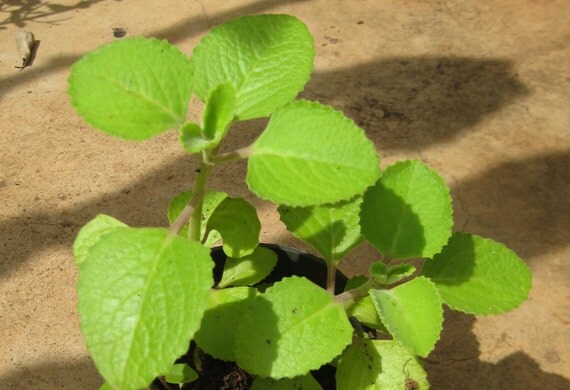
Aywain Plant
Ajwain is an herb which has plenty of health benefits. It is also know as Bishop Weed. It is very good for stomach respiratory problem...
No comments:
Post a Comment