Philip McClure, PT, PhD, FAPTA, Elliot Greenberg, PT, DPT, OCS, CSCS,w
and Stephen Kareha, PT, DPT, OCS, ATC
Abstract: The scapula plays an important role in shoulder function
and requires both significant mobility and stability. Normal motion is
3-dimensional, and during arm elevation consists of upward rotation,
posterior tilting, and external rotation as well as clavicular elevation
and retraction. Examination should include visual observation,
symptom alterations tests, testing of muscle strength, and flexibility
of key structures including the pectoralis minor, posterior shoulder
and thoracic spine. Treatment consists of graded resistive exercise,
neuromuscular retraining, stretching, manual therapy, and taping
where necessary. Although several studies suggest a relationship between
abnormal scapular motion and symptoms, strong evidence
directly supporting a causal relationship is lacking and further work
is necessary to clarify this relationship.
(Sports Med Arthrosc Rev 2012;20:39–48)
Sunday, May 20, 2012


Subscribe to:
Posts (Atom)
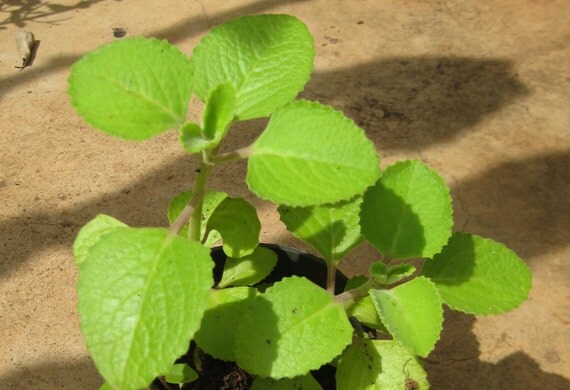
Aywain Plant
Ajwain is an herb which has plenty of health benefits. It is also know as Bishop Weed. It is very good for stomach respiratory problem...