Thursday, July 30, 2009

Mindfulness for irritable bowel syndrome: Protocol development for a controlled clinical trial

Susan A Gaylord, William E Whitehead, Rebecca Coble, Keturah R Faurot, Olafur Palsson, Eric L Garland, William Frey and John DOUGLAS Mann

BMC Complementary and Alternative Medicine 2009, 9:24doi:10.1186/1472-6882-9-24

Publishe: 28 July 2009

Abstract (provisional)


Background

Irritable bowel syndrome (IBS), a functional bowel disorder with symptoms of abdominal pain and disturbed defecation experienced by 10% of U.S. adults, results in significant disability, impaired quality of life, and health-care burden. Conventional medical care focusing on pharmacological approaches, diet, and lifestyle management has been partially effective in controlling symptoms. Behavioral treatments, such as cognitive-behavioral therapy and hypnosis, are promising. This paper describes an on-going feasibility study to assess the efficacy of mindfulness training, a behavioral treatment involving directing and sustaining attention to present-moment experience, for the treatment of IBS.

Methods

The study design involves randomization of adult women with IBS according to Rome II criteria, to either an eight-week mindfulness training group (based on a Mindfulness-based Stress Reduction format) or a previously validated IBS social-support group as an attention-control condition. The primary hypothesis is that, compared to Support Group participants, those in the Mindfulness Program will demonstrate significant improvement in IBS symptoms as measured by the IBS Symptom Severity Scale [1].

Results

214 individuals have been screened for eligibility, of whom 148 were eligible for the study. Of those, 87 were enrolled, with 21 withdrawing after having given consent. 66 have completed or are in the process of completing the interventions.

Conclusion

It is feasible to undertake a rigorous randomized clinical trial of mindfulness training for people with IBS, using a standardized MBSR protocol adapted for those experiencing IBS, compared to a control social-support group previously utilized in IBS studies. Trial Registration: Clinical Trials.gov Identifier: NCT00680693

The complete article is available as a provisional PDF. The fully formatted PDF and HTML versions are in production.


Friday, July 3, 2009

The potential of complementary and alternative medicine in promoting well-being and critical health literacy: a prospective, observational study of sh

BMC Complementary and Alternative Medicine 2009, 9:19doi:10.1186/1472-6882-9-19


Published: 18 June 2009

Abstract (provisional)


Background

The potential contribution of complementary and alternative medicine (CAM) modalities to promote and support critical health literacy has not received substantial attention within either the health promotion or the CAM literature. This paper explores the potential of one CAM modality, shiatsu, in promoting well-being and critical health literacy.

Methods

Data are drawn from a longitudinal, 6 months observational, pragmatic study of the effects and experience of shiatsu within three European countries (Austria, Spain and the UK). Client postal questionnaires included: advice received, changes made 6 months later, clients 'hopes' from having shiatsu and features of the client-practitioner relationship. Result: At baseline, three-quarters of clients (n=633) received advice, on exercise, diet, posture, points to work on at home or other ways of self-care. At 6 months follow-up, about four-fifths reported making changes to their lifestyle 'as a result of having shiatsu treatment', including taking more rest and relaxation or exercise, changing their diet, reducing time at work and other changes such as increased body/mind awareness and levels of confidence and resolve. Building on the findings, an explanatory model of possible ways that a CAM therapy could contribute to health promotion is presented to guide future research, both within and beyond CAM.

Conclusion

Supporting individuals to take control of their self-care requires advice-giving within a supportive treatment context and practitioner relationship, with clients who are open to change and committed to maintaining their health. CAM modalities may have an important role to play in this endeavour.

The complete article is available as a provisional PDF. The fully formatted PDF and HTML versions are in production.

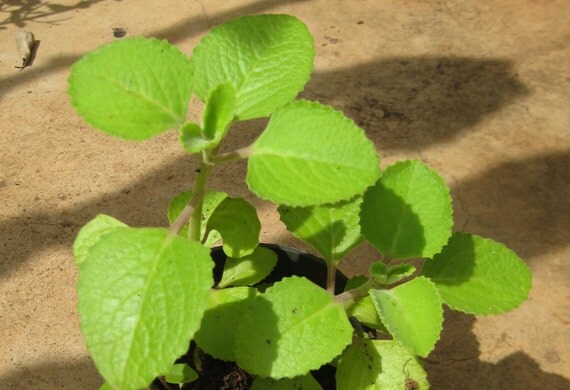
Aywain Plant

Ajwain is an herb which has plenty of health benefits. It is also know as Bishop Weed.  It is very good for stomach respiratory problem...