T. Wieser, U. Walliser, I. Womastek & H.G. Kress
Abstract
Introduction: About 4% of the population suffer from daily or near
daily headache, which in most cases evolved from an episodic type of
headache. The impact of psychological factors on this process is unknown.
It seems reasonable to assume, that besides somatic and social conditions
psychological factors like pain-related coping and cognition play an
important role, as has been shown for other pain conditions.
Methods: We performed a cross sectional study on pain coping behaviour
in 211 patients with migraine and tension type headache. Pain-related
cognition and coping was investigated using the Kiel Pain Inventory.
Prevalence of depression, medication intake and headache characteristics
were analysed in regard to chronicity of headache.
Results: Overall pain intensity was high in the patient sample. The level
of depression increased with headache frequency. Dysfunctional coping,
characterized by fear and avoidance is frequently used by headache
patients. As in low back pain, also endurance is highly prevalent. Other
features known to be associated with chronic headache, like depression
and medication overuse, could be confirmed.
Discussion: Dysfunctional coping was seen with high prevalence in the
entire patient sample (66%). Against our hypothesis, it was not confined
to chronic forms of headache. In respect to our data, we discuss the role
of avoidance and endurance coping in headache and its possible role in
chronicity.
Sunday, March 18, 2012


Tuesday, March 13, 2012
The effect of two manipulative therapy techniques and their outcome in patients with sacroiliac joint syndrome
- Fahimeh Kamali, PT, PhD
 ,
,  ,
, - Esmaeil Shokri, PT
- Center for Human Movement Science Research, School of Rehabilitation Sciences, Shiraz University of Medical Sciences, P.O. Box 71347-1733, Shiraz 71947-33669, Iran
- Received 24 April 2010. Revised 7 February 2011. Accepted 9 February 2011. Available online 11 March 2011.
Summary
Objectives
To compare the effect of sacroiliac joint (SIJ) manipulation with SIJ and lumbar manipulation for the treatment of SIJ syndrome.
Methods
Thirty-two women with SIJ syndrome were randomly divided into two groups of 16 subjects. One group received the high-velocity low-amplitude (HVLA) manipulation to the SIJ and the other group received both SIJ and lumbar HVLA manipulation to both the SIJ and lumbar spine in a single session. The outcomes were assessed using visual analogue scale (VAS) at baseline, immediately, 48 h and one month after the treatment for pain and also Oswestry Disability Index (ODI) questionnaire at baseline, 48 h and one month after the treatment.
Results
Analysis revealed a statistically significant improvement immediately, at 48 h and one month after treatment for pain and significant improvement at 48 h and one month after treatment for functional disability in the SIJ manipulated group. A significant improvement immediately, at 48 h and one month after treatment for pain and significant improvement at 48 h and one month after treatment for functional disability in the SIJ and lumbar manipulated group was also found. Furthermore, there were significant differences within groups in ODI and VAS when using Friedman test in both groups. By using Wilcoxon rank sum test no differences were observed in change scores between the two groups immediately, 48 h and one month after the treatment for VAS, or after 48h and one month after the treatment for the ODI.
Conclusion
A single session of SIJ and lumbar manipulation was more effective for improving functional disability than SIJ manipulation alone in patients with SIJ syndrome. Spinal HVLA manipulation may be a beneficial addition to treatment for patients with SIJ syndrome.
Subscribe to:
Posts (Atom)
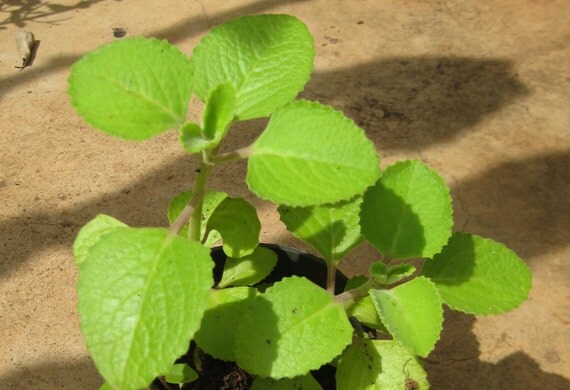
Aywain Plant
Ajwain is an herb which has plenty of health benefits. It is also know as Bishop Weed. It is very good for stomach respiratory problem...