Wednesday, April 13, 2011

Acupuncture for the alleviation of lateral epicondyle pain: a systematic review

K. V. Trinh, S.-D Phillips, E. Ho and K. Damsma


Objectives. Lateral epicondyle pain is a common complaint in North America. In the past 10 yr acupuncture has become increasingly recognized as an alternative treatment for pain, including epicondyle pain. This review evaluates the effectiveness of acupuncture as a treatment for lateral epicondylitis using the appropriate analysis.
Methods. Online bibliographic database searches in any language from Medline, PsychINFO, CINAHL, Healthstar, PMID, CAM, EMBASE, Cochrane Database of Systematic Review (3rd quarter 2003), articles listed in reference lists of key articles and the author's personal files were performed. Randomized and quasi-randomized controlled trials examining the effects of acupuncture on lateral epicondyle pain were selected. From the six studies that met inclusion criteria, the first author, year of publication, population studied, dropout rate, treatment plan, assessment scale and outcome measures were extracted. Study quality was determined by using the Jadad scale, in which all studies were rated as high quality. A best evidence synthesis approach was used to analyse the data presented in the six studies.
Results. All the studies suggested that acupuncture was effective in the short-term relief of lateral epicondyle pain. Five of six studies indicated that acupuncture treatment was more effective compared to a control treatment.
Conclusions. There is strong evidence suggesting that acupuncture is effective in the short-term relief of lateral epicondyle pain.

Predictors of short and long term outcome in patellofemoral pain syndrome: a prospective longitudinal study

Natalie J Collins1* email, Kay M Crossley2,3* email, Ross Darnell1* email and Bill Vicenzino1* email

Background

Patellofemoral pain syndrome (PFP) is a common musculoskeletal condition that has a tendency to become chronic and problematic in a proportion of affected individuals. The objective of this study was to identify prognostic factors that may have clinical utility in predicting poor outcome on measures of pain and function in individuals with PFP.

Methods

A prospective follow-up study was conducted of 179 participants in a randomised clinical trial. Nine baseline factors (age, gender, body mass index, arch height, duration of knee pain, worst pain visual analogue scale, Kujala Patellofemoral Score (KPS), functional index questionnaire (FIQ), step down repetitions) were investigated for their prognostic ability on outcome assessed at six, 12 and 52 weeks (worst pain, KPS and FIQ). Factors with significant univariate associations were entered into multivariate linear regression models to identify a group of factors independently associated with poor outcome.

Results

Long symptom duration was the most consistent predictor of poor outcome over 52 weeks rated on the KPS and the FIQ (β-0.07, 95% confidence interval -0.1 to -0.03, p < 0.000; and -0.02, -0.03 to -0.01, p < 0.000, respectively). Worse KPS at baseline was predictive of outcome at six, 12 and 52 weeks. Gender, body mass index and arch height were generally not associated with outcome (univariate analysis), while age, worst pain, FIQ and step downs were excluded during multivariate analyses.

Conclusions

Patients presenting with PFP of long duration who score worse on the KPS have a poorer prognosis, irrespective of age, gender and morphometry. These results suggest that strategies aimed at preventing chronicity of more severe PFP may optimise prognosis.


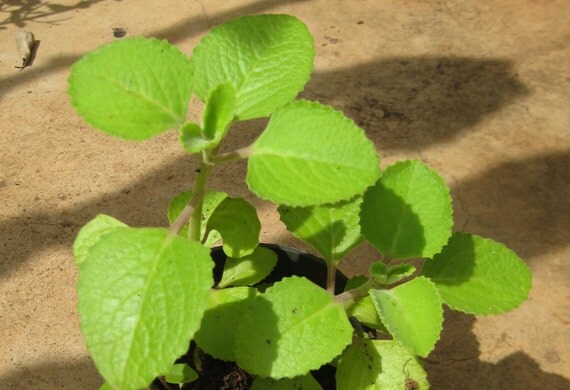
Aywain Plant

Ajwain is an herb which has plenty of health benefits. It is also know as Bishop Weed.  It is very good for stomach respiratory problem...